
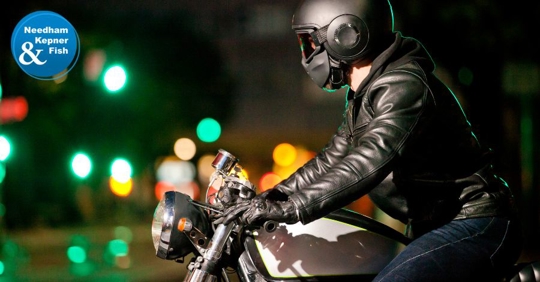
There is a unique tranquility to riding through California at night—the cool air on the coast, the open stretch of a desert highway, or the quiet hum of a sleeping city. However, for many motorcyclists, the cover of darkness brings more than just a peaceful ride; it brings a heightened set of risks and a specific set of legal obligations. Understanding California’s visibility laws isn’t just about avoiding a ticket—it’s about protecting your safety and your legal rights in the event of a motorcycle accident.
California Visibility Requirements: The Legal Baseline
California law is explicit about what is required to keep you visible after the sun goes down. Under the California Vehicle Code, your motorcycle must be equipped with specific lighting and reflective gear to operate legally on public roads:
Headlamps: Every motorcycle must have at least one functional white headlamp. While newer models often have always-on lights, ensuring yours is properly aimed and bright enough to be seen from 500 feet is a legal must.
Taillights and Reflectors: You are required to have a red taillight visible from 500 feet to the rear. Additionally, California law (CVC § 24607) requires at least one red rear reflector.
Turn Signals: For motorcycles manufactured after 1972, functional turn signals are mandatory. These are your primary tools for communicating with other drivers in low-light conditions.
While not strictly mandated by the vehicle code for the rider themselves, wearing high-visibility or reflective gear is strongly recommended by the DMV and can significantly impact the outcome of a legal claim.
The "I Didn't See Him" Defense
In the aftermath of a nighttime collision, the most common phrase heard from drivers is, “I just didn’t see the motorcycle.” In the eyes of the law, however, "not seeing" a rider does not automatically absolve a driver of responsibility.
Every driver in California owes a duty of care to others on the road, which includes a duty to keep a lookout for all vehicles, regardless of their size. If a driver was distracted, fatigued, or simply failed to check their blind spots before merging, they may still be found negligent, even if visibility was poor.
Legal Responsibility and Comparative Negligence
California operates under a pure comparative negligence system. This means that if you are involved in an accident at night, the court will look at the actions of both parties.
If a rider is found to be partially at fault—for instance, by riding with a non-functional taillight or wearing a tinted visor at night (which is illegal in California)—their compensation may be reduced by their percentage of fault. For example, if a jury determines you were 20% responsible for the accident due to poor visibility equipment, your total recovery would be reduced by 20%. This is why maintaining your bike’s lighting and wearing reflective gear is a legal strategy as much as a safety one.
Protecting Your Rights After Dark
If you have been involved in a nighttime accident, the steps you take immediately afterward are critical. Documenting the scene—including the functioning of your lights and the street lighting conditions—can provide the evidence needed to counter claims that you were "invisible" on the road.
Navigating the complexities of California’s motorcycle laws requires a steady hand and professional insight. If you’ve been injured, you don’t have to walk this path alone. Needham Kepner & Fish LLP is here to help you move forward with confidence and clarity.
For a reassuring and expert evaluation of your case, contact us at (408) 716-1668.